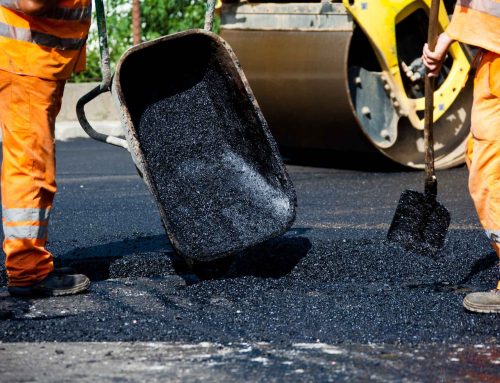
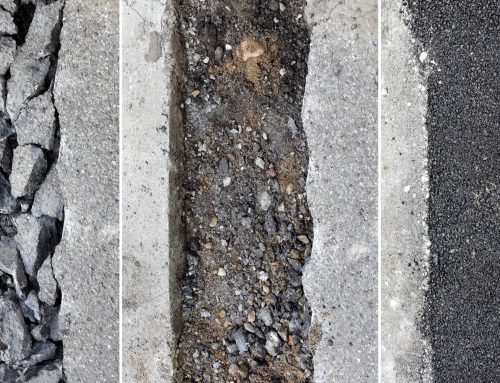
When it comes to asphalt paving, the foundation of a durable and long-lasting road or driveway is laid during installation. A well-executed installation ensures a smooth driving experience. It also prevents a host of damages that can plague improperly installed pavements. In this article, we’ll explore the key signs of a properly installed asphalt pavement and delve into five asphalt paving damages you won’t need to worry about when the installation is done right.
How to Tell if an Asphalt Pavement is Properly Installed:
Before we dive into the damages that can be avoided, let’s briefly discuss how to identify a properly installed asphalt pavement. Look for a surface that’s both smooth and even, without visible cracks or uneven areas. Proper water drainage is essential, so check for a slight slope that prevents water pooling. This drainage system is most effective when supported by regular catch basin cleaning to keep the path for runoff clear of debris and sediment. Edges should be neatly finished and blend seamlessly with surrounding structures. When you’re walking on the pavement, it should feel solid underfoot, with no soft or spongy spots. Adequate curing time is crucial too. A rushed installation might show signs of premature wear. Essentially, well-installed asphalt pavement exhibits a seamless, level appearance, good drainage, solid compaction, and proper curing for lasting durability.
Damages You Don’t Have to Worry About:
-
Cracking
Do you know those frustrating cracks that seem to appear out of nowhere on roads and driveways? They’re like uninvited guests that just won’t leave. Well, these cracks are often a result of inadequate compaction during the asphalt paving process. When a crew rushes the rolling phase, the pavement loses its structural integrity before cars even drive on it. This lazy execution guarantees that a brand-new surface will look decades old within just a few seasons.
Imagine the asphalt mixture as a puzzle that needs to fit together. When this mixture isn’t properly compacted, it leaves tiny air pockets. These air gaps create weak spots that can’t withstand the pressure of traffic passing over them or the expansion and contraction caused by temperature changes. Once heavy vehicles roll over these hollow zones, the asphalt surface actively caves inward. Water then floods these micro-vacuums, accelerating a hidden structural breakdown beneath the surface.
-
Potholes
Potholes are the bane of every driver’s existence. They’re like miniature craters that make your ride feel like a roller coaster from hell. Potholes often make their grand entrance after a good round of rain followed by freezing temperatures. Subsurface water expands as it turns to ice, forcefully lifting the asphalt layer upward. When traffic crushes that brittle, hollow bubble, the entire surface caves in to form a wheel-bending pit.
A well-installed pavement is armed with proper drainage systems that keep water from making its way into the cracks. This helps avoid the whole freezing-expanding-melting cycle that leads to those dreaded potholes. Professional grading ensures that heavy rainfall sheds off to the shoulders immediately rather than pooling on the blacktop. By locking water out of the subbase entirely, you stop this destructive cycle before it can even start.
-
Ravelling
Ever noticed how some pavements start looking like they’ve seen better days? That’s ravelling for you – it’s like the pavement’s having an identity crisis. This damage happens when the asphalt mixture isn’t blended just right or lacks the necessary binding agents. Without enough liquid asphalt to glue everything together, individual stones easily break free under tire friction. Your once-smooth driveway quickly transforms into a messy, gravel-strewn hazard.
Mixing the asphalt properly and ensuring it’s applied with the right consistency can go a long way in preventing this ravelling phenomenon. It’s like giving your pavement a sturdy coat of armour to fight off the wear and tear of everyday life. Experienced paving contractors strictly monitor mix temperatures at the plant to ensure the aggregate bonds flawlessly. This precise temperature control locks every stone permanently in place for a smooth, lasting finish.
-
Edge Crumbling
Edges crumbling – it’s like the pavement’s saying, “I’m getting too cozy with the earth.” During installation, if those edges aren’t given the attention they deserve, they become the weak links in the pavement chain. Unsupported outer borders easily fracture when heavy trucks clip the side of the driveway. Without a dedicated structural transition, the perimeter simply disintegrates into the surrounding dirt.
With daily traffic rumbling over them and the elements doing their thing, those edges start to give way. It’s like your pavement’s lost its balance and is ready to tumble. But here’s the solution: proper edging during installation. Compacting the borders at a precise 45-degree angle builds a heavy-duty lateral support system. This structural bevel locks down the perimeter, keeping your driveway lines sharp and secure for years.
-
Base Failure
Alright. Let’s talk about the base – the unsung hero of asphalt pavements. Just like a house needs a solid foundation, pavement needs a stable base. If that base isn’t prepared correctly, it’s like building your home on quicksand – not a great idea. Skipping soil stabilization or skimping on crushed stone aggregate completely dooms the upper blacktop layer from day one.
Base failure is the stuff of nightmares for asphalt pavements. A poorly prepped base with subpar compaction and wrong materials can lead to catastrophe. The pavement settles unevenly, cracks emerge, and it’s just a matter of time before it crumbles. No amount of surface patching or top-layer sealcoating can save a driveway with a compromised foundation. Fix it from the bottom up, or watch your entire investment sink out of sight.
Ensuring Proper Asphalt Installation
When it comes to ensuring the longevity and quality of your asphalt pavement, having a trusted professional can make all the difference. While DIY projects have their charm, asphalt pavement installation isn’t something you want to leave to chance. Enlisting the help of experienced and knowledgeable professionals can be your golden ticket to a pavement that stands the test of time and avoids common installation pitfalls.
Let’s face it, laying down asphalt isn’t like painting a spare bedroom or building a garden box over the weekend. Professional crews bring heavy-duty commercial rollers, precise grading machinery, and decades of field experience to ensure your subbase is bulletproof before the first drop of hot mix hits the ground. They know exactly how to calculate the slope to the millimetre, so rainwater runs away from your foundation, saving you from a logistical nightmare down the road. By trusting the experts, you aren’t just buying a smooth driveway; you are buying total peace of mind and protecting your hard-earned investment from premature failure.
Takeaway
Asphalt paving is more than just laying down a surface – it’s about engineering a solution that guards against common damages. A proper installation not only saves you from the headache of repairs but also enhances your pavement’s overall functionality and aesthetics. So, whether you’re considering a new pavement or evaluating an existing one, remember that well-installed asphalt pavement is your first line of defence against these potential issues.