Winter maintenance is a necessity in Canada, but it often comes with unintended consequences. Homeowners rely on plows, shovels, and chemical treatments to keep surfaces safe and accessible. While these measures are essential, they can gradually weaken an asphalt driveway if not handled carefully. Just as structural upgrades like basement underpinning require thoughtful planning to prevent long-term damage, winter driveway care demands attention to method and timing. Snow removal may appear harmless at first, but small surface abrasions can accumulate over the season.
Damage caused during winter often becomes visible only after temperatures rise. Scrapes, moisture intrusion, and chemical exposure combine to reduce surface durability. Understanding how winter tools and materials interact with asphalt helps homeowners make informed decisions. Proper technique can significantly reduce seasonal wear. Being proactive allows you to protect your driveway before problems emerge in spring.
Why Asphalt Is Vulnerable During Winter
Asphalt is designed to be flexible, but cold temperatures reduce that flexibility. When temperatures drop well below freezing, the binder within the asphalt becomes more rigid. This reduced elasticity makes the surface more susceptible to cracking under pressure. Freeze–thaw cycles further intensify the stress by allowing water to seep into small openings and expand when frozen. Over time, repeated expansion and contraction weakens the structural integrity of the surface.
Moisture intrusion is one of the biggest winter threats. Even small cracks can allow water to penetrate beneath the surface layer. Once trapped, freezing temperatures cause that moisture to expand and create internal pressure. Snow accumulation adds weight and prolonged contact with moisture. Without proper care, winter conditions can accelerate wear and shorten the lifespan of the driveway.
How Metal Snow Plows Can Scrape and Gouge the Surface
Metal snow plow blades are effective at clearing heavy snow, but they can be harsh on asphalt surfaces. When the blade edge sits too low, it can scrape against the driveway and remove the protective top layer. Repeated passes gradually strip away fine aggregates that help shield the binder underneath. Over time, this surface erosion weakens the driveway’s resistance to moisture penetration. What begins as light scraping can evolve into more visible surface damage by spring.
Edges and high points are especially vulnerable during plowing. Slight unevenness in the surface can cause the blade to catch and gouge specific areas. These gouges create entry points for water and increase the risk of cracking. Damage may not be obvious immediately, but once thaw begins, weakened spots can deteriorate quickly. Adjusting plow height and using protective blade edges can significantly reduce this type of wear.
The Impact of Snow Shovels and Snowblowers
Manual snow removal tools can also contribute to surface wear over time. Metal-edged shovels, when pressed firmly against the surface, may chip or scratch the asphalt. These small abrasions might seem insignificant during winter, but they create vulnerable points for moisture intrusion. Snowblowers can cause similar issues if the skids are set too low and make repeated contact with the driveway. Over the course of a long winter, minor surface contact can accumulate into noticeable wear.
High-traffic areas near garages and walkways are especially prone to this type of damage. Repeated scraping in the same locations increases stress on already weakened spots. Once the protective surface layer is compromised, water infiltration becomes easier. This is particularly concerning during freeze–thaw cycles when trapped moisture expands. Adjusting shovel technique and snowblower settings helps reduce unnecessary surface abrasion.
How De-Icing Chemicals Break Down Asphalt
Chemical treatments are commonly used to improve traction and safety during icy conditions. However, de-icing salts can accelerate surface deterioration when used excessively. These products lower the freezing point of water, which increases the amount of liquid moisture sitting on the driveway surface. Prolonged exposure allows water to seep into small cracks and pores. Over time, this repeated saturation weakens the binder that holds the asphalt together.
Salt and chemical compounds can also contribute to surface scaling and aggregate loss. As moisture penetrates and refreezes, the expansion creates internal stress. This stress gradually widens cracks and leads to ravelling in the spring. While de-icers are effective for safety, moderation and proper drainage are essential. Being mindful of chemical use helps reduce long-term structural damage to the surface.
Why Edges and Drainage Areas Suffer the Most
Driveway edges are typically less supported than the central surface. When snow is piled along the sides, it traps moisture against these vulnerable areas. As melting occurs, water tends to collect near edges before draining away. This repeated saturation weakens the structural base beneath the asphalt. Over time, edge deterioration can spread inward and widen existing cracks.
Drainage pathways are equally critical during winter. If meltwater cannot flow away efficiently, standing water increases freeze–thaw stress. Blocked or uneven grading can intensify pressure on localized sections of the driveway. Consistent exposure to moisture and ice accelerates surface breakdown. Maintaining proper drainage is one of the most effective ways to preserve structural stability throughout winter.
What Damage Looks Like in Spring
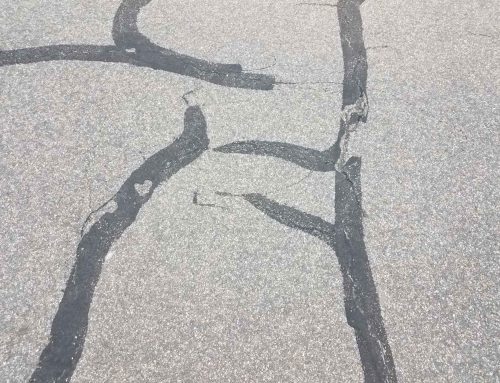
Winter damage often becomes visible once temperatures rise and snow fully melts. Surfaces that appeared intact in January may show signs of ravelling or loose aggregate by April. Small cracks can widen, and soft spots may form where moisture has weakened the base layer. Potholes sometimes develop in areas where plow scraping or freeze–thaw pressure was concentrated. These changes are typically the result of cumulative winter stress rather than a single event.
Discoloration and fading may also indicate surface deterioration. Rough textures or uneven patches suggest that the protective layer has been worn down. In some cases, minor winter abrasions expand into more significant structural issues. Early spring inspections help identify areas requiring repair before damage spreads further. Addressing these signs promptly reduces the likelihood of extensive resurfacing or full replacement.
How to Protect Your Asphalt During Snow Removal
Preventative measures can significantly reduce winter-related damage. Adjusting plow blades slightly above the surface helps prevent scraping and gouging. Using rubber-edged plow attachments provides an added layer of protection against abrasion. When shovelling, avoiding excessive downward pressure minimizes surface scratching. Selecting less corrosive alternatives to traditional salts can also reduce chemical stress.
Homeowners should also focus on proper drainage throughout the season. Clearing snow in layers rather than scraping aggressively protects the surface integrity. Monitoring melt patterns ensures water does not pool near edges or low spots. Taking steps to winterproof your driveway before temperatures drop can make a noticeable difference in spring. Simple adjustments in technique can extend surface life and reduce long-term repair costs.
Protecting Your Driveway Before Damage Sets In
Snow removal is essential for safety, but it requires careful handling to avoid unnecessary wear. Even though asphalt driveways are beneficial for your home due to flexibility and durability, winter conditions place them under significant stress. Scraping, moisture intrusion, and chemical exposure all contribute to gradual deterioration. Understanding these risks allows homeowners to take preventative action throughout the season. With mindful maintenance, winter damage can be minimized and the driveway’s lifespan preserved.