Pulling up to a home with a cracked, fading, or heavily pitted entrance immediately alters a visitor’s perception of the entire property. A homeowner might invest heavily in immaculate landscaping or execute a premium window replacement project to modernize their exterior facade, yet a deteriorating front path can instantly erase that hard-earned aesthetic value. The driveway is one of the largest continuous visual elements of a property, acting as a welcome mat for your home. When it becomes covered in spiderweb fractures and deep potholes, it signals neglect and drags down overall asset valuation.
For many property owners, the sight of a crumbling surface brings immediate financial stress. It is a common misconception that once a surface shows signs of widespread age, the only solution is a costly, disruptive full-depth tear-out. Homeowners often assume they must pay for complete excavation, sub-base rebuilding, and total replacement. However, when the underlying foundation remains strong, a highly strategic engineering alternative exists. Opting to revitalize an asphalt driveway through professional resurfacing offers a smart middle ground. This method allows you to restore both the structural integrity and the rich, jet-black appearance of your pavement at a fraction of the cost of a full replacement.
The Quick Edit: Key Takeaways
Managing your property’s pavement assets requires moving away from temporary retail patches. Instead, you need to adopt a proactive asset management mindset. Choosing between a surface overlay and a full excavation depends entirely on the condition of your driveway’s hidden foundation layer.
The reference matrix below outlines the criteria used to determine when a surface can be preserved through resurfacing versus when it requires a complete rebuild:
| Assessment Factor | Candidate for Resurfacing (Surface Overlay) | Requires Full Replacement (Tear-Out) |
|
Surface Condition
|
Widespread surface fading, minor pitting, or shallow spiderweb cracking. | Deep structural alligator cracking, massive active potholes, and crumbling edges. |
|
Sub-Base Stability
|
Underlying gravel foundation is stable with no signs of deep ruts or structural shifting. | Underlying foundation layer has failed, marked by significant shifting or tree root upheavals. |
|
Financial & Time Impact
|
Bypasses heavy excavation costs; completed quickly with minimal property disruption. | Requires heavy machinery, extensive labor, hauling fees, and total base reconstruction. |
|
Expected Outcome
|
Restores a rich, jet-black appearance and adds 10 to 15 years of functional lifespan. | Rebuilds the entire asset from the ground up, resetting the structural clock completely. |
Understanding these criteria is essential to properly maintain an asphalt pavement over its lifecycle. Catching wear during the resurfacing window prevents minor surface defects from turning into a total foundation failure. This approach ensures your home maintenance budget is used as efficiently as possible.
The Mechanics of Resurfacing: How a Surface Overlay Works
Resurfacing an existing driveway is a precise, multi-step engineering process. It requires a structurally sound base to be successful. A surface overlay cannot simply be paved over a failing, shifting foundation. Before any new material is laid down, professional paving crews must thoroughly assess the strength of the underlying gravel sub-base. The old pavement layer must still be capable of supporting heavy vehicle traffic without flexing or sinking. Once the structural integrity of the base layer is confirmed, the surface preparation can begin.
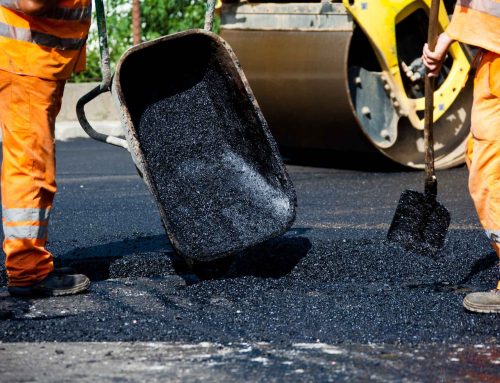
The crew starts by cleaning the entire area with industrial power brooms and air blowers. They must completely remove all dirt, loose debris, and oil stains, as any leftover contaminants will prevent the new material from bonding. Next, workers treat localized problem areas by routing out minor cracks and filling potholes with dense binder asphalt. After levelling the existing surface, they spray a specialized, highly sticky liquid asphalt emulsion called a tack coat across the entire driveway. This chemical layer acts as an industrial adhesive, permanently bonding the old pavement to the new material.
Finally, a heavy self-propelled paving machine lays down a fresh top layer of hot-mix asphalt. This new layer is typically 1.5 to 2 inches thick. While the material is still hot and pliable, heavy rollers compact it to eliminate air pockets and lock the aggregate together. Achieving proper asphalt compaction is the most critical step in the entire process. Without the right amount of mechanical pressure, the new overlay will remain porous and weak, leading to early ravelling and water intrusion. When compacted correctly, however, the result is a smooth, seamless, and dense pavement layer that performs identically to a brand-new driveway.
Battling the Elements: Defending Against Frost Heaves and Thaws
The Canadian climate is notoriously brutal on outdoor infrastructure. Driveways are exposed to extreme temperature swings throughout the year, ranging from baking summer heat to freezing winter blizzards. This constant thermal shifting creates a highly destructive environment for pavement. The primary enemy of any paved surface is water. When autumn rain or winter slush finds its way into small surface pores and open hairline cracks, it settles deep inside the material. As the temperature drops below freezing, this trapped water expands by roughly 9%, exerting immense internal pressure on the surrounding pavement structure.
This freezing and thawing cycle is the direct cause of frost heaves, deep potholes, and widespread alligator cracking. In the spring, melting snow saturates the gravel base underneath the driveway, leaving it temporarily soft and weak. When heavy vehicles drive over these unsupportive, waterlogged zones, the flexible top layer bends, cracks, and eventually breaks apart. For older, worn surfaces that have lost their flexibility, these seasonal climate cycles can destroy a driveway in just a few short years.
Applying a fresh hot-mix overlay is an effective way to stop this environmental damage. The new, tightly compacted material acts as a seamless waterproofing shield across your property. It fills in all existing surface vulnerabilities and seals out rainwater, melting snow, and ice before they can reach the sub-grade layer. By preventing water from soaking deep into the ground, you eliminate the risk of sub-base erosion and internal frost expansion. This protective barrier preserves the underlying foundation and extends the durability of asphalt driveways through many harsh Canadian winters.
The Financial Strategy: Why Resurfacing Offers the Best ROI
From an asset management perspective, maximizing your property’s return on investment requires making smart, timely repairs. Choosing a strategic surface overlay over a full-depth replacement is a highly effective way to save money on property maintenance. A total driveway replacement is a major construction project. It involves heavy machinery, days of disruptive labor, expensive tipping fees at the landfill, and the high cost of purchasing all-new gravel and base materials. By opting to resurface instead, you bypass these heavy demolition and excavation costs, reducing your upfront expenses by up to 50%.
These upfront savings do not mean you are sacrificing long-term value. A professionally installed surface overlay bonds directly to the existing stable base, instantly adding 10 to 15 years of functional lifespan to your pavement. When you look at the cost per year of service, resurfacing is often the most financially sensible option available to homeowners. It allows you to preserve your maintenance capital and redirect those funds toward other critical home improvement projects, all while keeping your driveway in top condition.
Additionally, a fresh, jet-black driveway delivers an immediate financial boost if you decide to sell your home. Curb appeal plays a massive role in real estate valuation. The driveway is the very first thing a potential buyer or property appraiser sees when they arrive at your home. A cracked, stained, and pothole-ridden entrance instantly lowers their expectations and can lead to lower initial offers. In contrast, a smooth, pristine driveway makes the entire property look well-maintained, increasing buyer interest and allowing you to command a premium market price.
Timing It Right: When to Act Before It’s Too Late
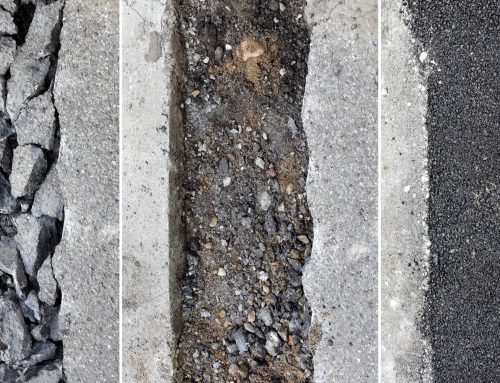
Successful asset preservation depends entirely on precise timing. There is a specific window of opportunity where a driveway is an ideal candidate for a surface overlay. Homeowners must act while the ongoing deterioration is still purely cosmetic or confined to the upper layer of the pavement. If your driveway is simply showing signs of surface fading, minor surface pitting, or shallow hairline cracks, the underlying foundation is likely still intact. Catching the wear at this stage allows the new hot-mix layer to bond perfectly, sealing the surface and preventing future water damage.
Waiting too long, however, will push the pavement past the point of no return. If a driveway develops deep structural alligator cracking, widespread potholes, or significant tire ruts, it means the gravel sub-base underneath has failed. Once the foundation shifts, sinks, or gets pushed up by tree roots, a surface overlay is no longer a viable option. Laying new material over a broken, moving foundation will only cause the new layer to crack and fail within a single season. At that point, the only fix left is a complete, expensive tear-out and reconstruction. Monitoring your pavement and investing in a resurfacing project early saves you from these unnecessary structural costs.
Invest in Your Property’s Foundation
Professional asphalt resurfacing represents the ultimate convergence of practical home engineering and financial strategy. It allows Canadian homeowners to stop weather-related degradation right in its tracks without draining their property upgrade budgets. Rather than waiting around for small cracks to grow into a total foundational collapse, addressing surface wear early keeps your asset structurally sound and highly valuable. By locking out moisture and restoring a pristine look, you protect your home’s curb appeal and lock in long-term infrastructure stability for a fraction of the cost of starting from scratch.