Investing in a high-quality asphalt driveway is a highly popular choice for Canadian homeowners seeking a durable, clean parking surface. This flexible material easily accommodates heavy vehicle traffic while presenting a sleek, uniform frame for your front yard landscaping. However, maintaining your property’s outdoor pavement requires paying close attention to ground drainage and seasonal surface wear. Regular outdoor maintenance tasks like parking lot sweeping, quick patch applications, crack sealing, and professional catch basin cleaning are vital steps to keep pooling water from eroding your driveway’s underlying foundation soils.
When small cracks or minor potholes begin to form in your pavement, treating them quickly is essential. Paved surfaces are subjected to massive climate pressures, particularly during the transitions between cold winter thaws and spring rains. If you neglect small surface openings, they will allow moisture to seep directly into the gravel beds below, washing away the supporting soil. Applying timely, strategic patches is a highly reliable way to seal these gaps. This minor repair stops water penetration in its tracks, saving you from the extreme costs of early, full-scale driveway replacement.
The Quick Edit
- The Moisture Enemy: Water seeping through cracks in unsealed surfaces saturates the gravel base, destroying its load-bearing capacity.
- The Patching Window: Minor potholes and single cracks are easily fixed with targeted hot or cold asphalt patching techniques.
- The Deep Limit: Massive surface collapse, deep structural sagging, or wide network cracking cannot be fixed with simple surface patches.
The Freeze-Thaw Threat: Why Standing Water Destroys Slabs
To understand the immense value of quick surface repairs, you must look at how water behaves inside your driveway’s foundation layers. A proper driveway relies on a highly compacted, six-inch aggregate base layer consisting of crushed stone and coarse sand. This dense gravel bed keeps your heavy asphalt slabs completely flat and level, absorbing vehicle weight without shifting. When your pavement is entirely sealed, water slides harmlessly off the sloped edges and vanishes down your storm drains.
However, even a tiny hairline crack changes this safe water management system completely. Rainwater and melting winter snow slide into these small openings, soaking deep into your compacted gravel base. When Canadian temperatures plunge below freezing, this trapped water expands, pushing up the surrounding asphalt. This winter expansion, known as frost heaving, cracks the pavement further. When spring arrives and the ice thaws, the soil collapses, leaving empty pockets beneath the driveway that cause the asphalt to sag and break under tire pressure.
The Patching Playbook: Hot Mix vs. Cold Mix Applications
When addressing isolated potholes or deep cracks, professional pavement teams use two main types of repair compounds. Understanding how these mixtures work is crucial for achieving a long-lasting, smooth finish on your driveway. Cold-mix asphalt is a highly convenient, pre-mixed compound that stays flexible at room temperature. This compound is ideal for quick emergency winter repairs, allowing you to fill sudden potholes when hot-mix plants are closed for the season.
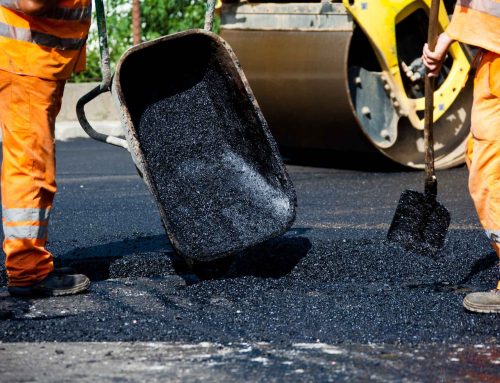
For a truly permanent, commercial-grade repair, hot-mix asphalt is the absolute gold standard. Technicians apply this mixture at high temperatures, allowing the fresh material to melt and fuse directly with the surrounding driveway edges. Once poured, the hot patch is compacted tightly using a heavy vibrating roller to match the surrounding pavement level. Hot-mix patching creates a dense, watertight seal that restores your driveway’s structural strength, keeping your paths smooth and flat for years.
The Chemical Shift: Understanding the Asphalt Curing Process
Applying fresh asphalt to a damaged spot is only the first step in creating a durable, long-term repair. Once the hot mixture is compacted into place, the asphalt curing process begins. This slow chemical transformation occurs over several weeks as the volatile light oils in the liquid asphalt cement slowly evaporate. As these oils escape, the soft, freshly poured patch gradually hardens and cures into a rigid, rock-solid surface.
During this initial curing phase, the fresh patch remains somewhat soft and vulnerable to mechanical damage. Homeowners must keep heavy vehicles off the patched area for at least 24 to 48 hours to prevent tire ruts. Avoid turning your vehicle’s steering wheel while parked on the fresh patch, as this twisting motion can easily scuff the uncured material. Allowing your repair to cure completely without interruption ensures the aggregate locks together tightly, creating a patch that lasts for decades.
Recognizing the Limits: When Patching Is No Longer Enough
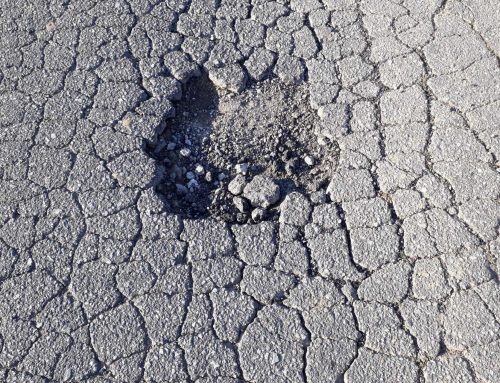
While minor patching is a highly effective way to fix localized potholes, it cannot cure deep structural failures. Homeowners must inspect their paved surfaces for widespread network cracking, often called alligator cracks. This type of damage looks like scales on a reptile, featuring many small, interconnected cracks running across a large section of the driveway. Widespread network cracking is a clear sign that your driveway’s underlying gravel base has completely failed due to deep water damage.
Attempting to patch a large section of alligator cracking is a temporary, cosmetic fix that will fail within a single winter. Because the underlying aggregate base is soft and saturated with water, the new patch has no solid foundation to rest on. The shifting soil below will quickly push through the fresh material, causing new cracks to form within months. When this level of deep base damage occurs, your only permanent solution is to excavate the entire section, replace the wet sub-base, and repave the surface.
Structural Resilience: Why Asphalt Remains the Top Choice
Despite the seasonal wear caused by cold winter climates, high-quality asphalt driveways are durable and highly cost-effective options for Canadian homes. Unlike rigid concrete, asphalt is a highly flexible material that naturally bends and yields to minor ground movements. This built-in flexibility allows your driveway to accommodate minor winter frost heaves without immediately snapping or cracking. This adaptability makes asphalt an incredibly resilient choice for areas facing extreme temperature shifts.
Furthermore, the dark, rich color of a clean asphalt surface delivers distinct practical advantages during snowy winter months. The black pavement absorbs solar heat quickly, accelerating the melting of ice and snow on sunny winter days. This solar heating keeps your driveway naturally clear of slick patches, reducing your reliance on harsh de-icing salts that corrode concrete. Choosing asphalt gives you a tough, low-maintenance path that looks beautiful and stays safe throughout the entire year.
Preventative Protection: Sealing Your Driveway for Longevity
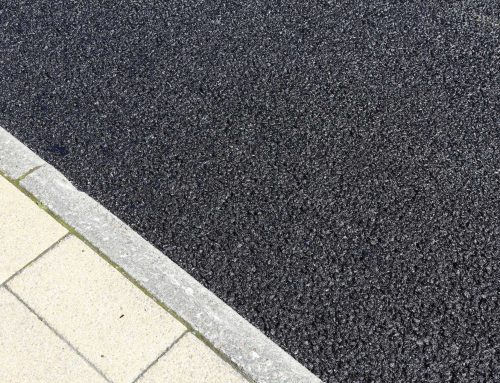
Once your patches are fully cured, applying a high-quality coal-tar or asphalt emulsion sealer across the entire driveway is highly recommended. This protective liquid coating acts like a waterproof shield, sealing the porous surface of your pavement. A sealed driveway sheds rainwater instantly, preventing moisture from sinking through micro-cracks and reaching your aggregate base. This protective barrier also shields your pavement from gasoline leaks, engine oil spills, and harsh UV rays that dry out asphalt.
To maintain this high level of protection, apply a fresh coat of driveway sealer once every three to five years. Before sealing, ensure the pavement is completely clean by sweeping away loose gravel, leaves, and winter dirt. Fill any fresh hairline cracks with a flexible rubberized crack filler before applying the main liquid coating. Maintaining this simple protective routine protects your gravel sub-base, stops potholes from forming, and keeps your driveway looking brand new for its entire lifespan.
Securing Your Driveway Investment Through Smart Maintenance
Prioritizing timely repairs is the single most effective way to protect your Canadian asphalt driveway from structural damage. Your pavement is subjected to intense freeze-thaw pressures, turning small cracks into major potholes as trapped water expands inside the base. Applying a premium hot-mix asphalt patch seals these open entry points, stopping water from saturating your aggregate sub-base and causing early failures. This simple, cost-effective repair keeps your driveway flat, smooth, and safe for your family’s vehicles.
Furthermore, knowing when to patch and when to invest in a full repaving project prevents you from wasting money on temporary, cosmetic fixes. Widespread alligator cracking shows that your driveway’s underlying base has failed, requiring deep excavation and structural rebuilding to correct. Combining professional patching with regular driveway sealing twice a decade keeps your asphalt flexible and highly resilient. Taking a proactive approach to your driveway’s drainage and surface maintenance secures your home investment, delivering a beautiful, durable entrance for decades.