A residential driveway endures more concentrated structural stress than almost any other exterior surface on a property. Just as carefully fitted window coverings protect interior rooms from harsh solar heat gain and winter drafts, a properly engineered asphalt driveway shields your property’s front approach against heavy vehicle loads, moisture infiltration, and seasonal ground movement. Yet while homeowners often judge a new driveway by how sleek and black the surface looks on installation day, the true lifespan of hot-mix asphalt depends on professional installation that addresses the hidden structural layers long before the paving machine ever rolls onto the lot.
Asphalt is a flexible pavement system, meaning it distributes vehicle weight downward into the underlying gravel foundation rather than bridging weak spots like rigid steel-reinforced concrete. If a contractor skimps on excavation depth, rushes sub-base compaction, or lays asphalt too thin, the surface will inevitably sink, rut, and fracture within just a few seasons. Professional installation combines civil grading, aggregate engineering, and calibrated thermal compaction to build a driveway capable of lasting twenty to twenty-five years.
The Quick Edit
- The Foundation Carries the Load: Up to 80 percent of an asphalt driveway’s structural strength comes from a deeply excavated, mechanically compacted crushed-stone sub-base rather than the blacktop layer itself.
- Precision Slope Stops Water Damage: Professional crews laser-grade the base to maintain a consistent one- to two-percent cross-slope so rainwater and snowmelt drain away from garage slabs and foundation walls.
- Temperature and Compaction Lock In Density: Laying hot-mix asphalt at proper plant temperatures and rolling it in calibrated passes eliminates air voids that otherwise let water freeze and crack the surface.
1. Site Assessment, Excavation, and Sub-Base Engineering
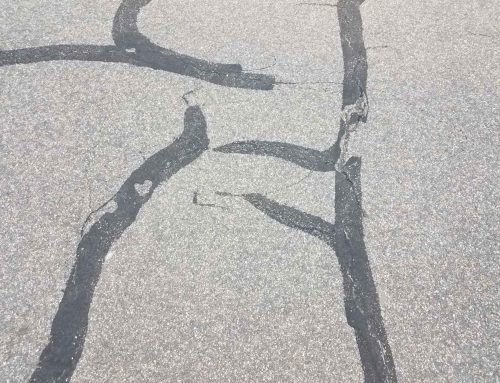
Every durable paving project begins below grade. Before laying a single shovelful of blacktop, professional crews evaluate soil stability, utility locations, and existing pavement conditions. When an older surface suffers from deep structural rutting, widespread alligator cracking, or severe frost heave, patching over the top only hides the failure—making it clear that it’s time for a full driveway replacement rather than a thin cosmetic overlay.
Properly preparing your driveway for asphalt paving requires excavating unstable topsoil, clay, or organic matter down to a firm subgrade—typically eight to twelve inches deep depending on regional soil conditions and expected vehicle weights. Leaving soft organic soil beneath a driveway guarantees future settling as that material compresses and decomposes.
Once the trench is excavated to firm subsoil, crews install a thick structural sub-base using angular crushed aggregate (such as Granular A or road-base limestone). Unlike smooth river pea gravel that shifts under pressure, sharp-edged crushed stone locks together mechanically when compacted. Technicians spread the aggregate in controlled lifts, mist it with water for optimal moisture density, and compact each layer with heavy vibratory plate compactors or steel-drum rollers until the base forms an unyielding, rock-solid platform.
2. Precision Drainage Grading and Slope Calibration
Water is the single greatest enemy of any paved surface. When rainwater or melting snow sits in shallow puddles—known in the paving industry as “birdbaths“—moisture slowly penetrates microscopic surface pores, softens the underlying gravel base, and expands aggressively during overnight freezes.
Professional installers prevent standing water by establishing accurate drainage geometry during base preparation:
- Positive Away-From-Structure Pitch: Crews grade the driveway with a consistent minimum slope of one to two percent (roughly one-eighth to one-quarter inch of drop per vertical foot) leading away from the garage threshold, walkways, and house foundation.
- Strategic Crown or Cross-Slope Design: Depending on lot topography, technicians either shape a subtle center crown that sheds water evenly toward both lawn edges or angle a continuous cross-slope toward a designated swale or catch basin.
- Clean Tie-Ins at Garage Aprons and Curbs: Excavating a clean, vertical keyway joint where new asphalt meets concrete garage floors or municipal street curbs keeps the transition flush, preventing snowplow blades from catching and tearing the leading edge.
3. Selecting and Laying Hot-Mix Asphalt at Optimal Temperature
Not all asphalt mixes perform the same under residential traffic and seasonal temperature swings. Reputable paving contractors source top-grade asphalt from certified batch plants, selecting the right aggregate gradation and liquid asphalt cement binder for local climate demands.
Most residential driveways benefit from a two-lift installation approach when heavy durability is required, or a thick, well-graded single-course surface mix engineered for residential loads:
- Binder Course (Base Lift): Uses larger angular stone aggregate coated in bitumen to provide high load-bearing strength and resist tire rutting from heavy pickup trucks, delivery vans, or RVs.
- Surface Course (Wearing Lift): Uses finer crushed stone and sand blended with flexible asphalt binder to create a tight, dense, weather-resistant mat that sheds water cleanly and delivers a smooth, uniform finish.
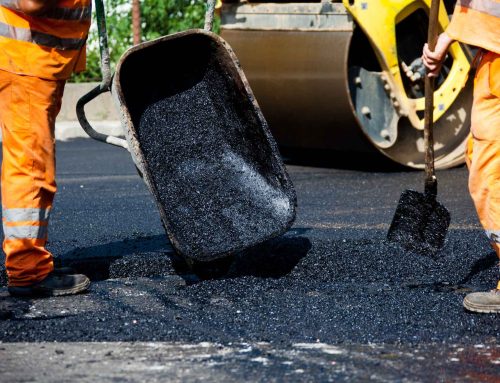
Timing and temperature control during delivery are critical. Hot-mix asphalt arrives from the plant at roughly 275°F to 325°F. Professional crews work efficiently with self-propelled asphalt pavers—and skilled lute rakes along edges, curves, and tight corners—to spread the mat evenly before the mix cools below workable compaction temperatures. If asphalt cools too much before rolling, the stone aggregate will not lock together tightly, leaving porous weak spots that unravel prematurely.
4. Multi-Stage Vibratory Rolling and Edge Tamping
Spreading asphalt is only half the paving process; mechanical compaction is what transforms loose hot mix into dense, impermeable pavement. Professional crews use multi-ton, dual-drum vibratory steel rollers to compress the freshly laid mat in three deliberate phases:
- Breakdown Rolling: Immediately behind the paver, the roller makes initial passes while the asphalt is hottest, pressing the coated aggregate particles tightly together and establishing target mat thickness (typically two to three inches compacted for residential driveways).
- Intermediate Rolling: Secondary passes build uniform density across the entire width of the driveway, eliminating air pockets and sealing hairline surface fissures.
- Finish Rolling: A final static (non-vibrating) pass smooths out drum marks and leaves a crisp, seamless surface texture.
Just as important, trained technicians hand-tamp the exposed outer edges of the driveway at a 45-degree bevel. Uncompacted, vertical asphalt edges crumble easily whenever a vehicle tire accidentally drifts off the pavement onto the lawn. Compacted, bevelled edges—backed later by topsoil and sod—lock the perimeter firmly in place.
5. Proper Curing Guidelines and Long-Term Care
Even with expert installation, fresh hot-mix asphalt needs time to cool and harden through oxidation. Professional contractors provide clear post-paving care instructions to protect the new surface during its first few weeks:
- Foot and Vehicle Traffic Windows: Keep foot traffic off the driveway for at least 24 hours and wait a full three to five days (longer during extreme summer heatwaves) before driving or parking passenger vehicles on the new surface.
- Avoid Sharp Turning and Point Loads: During the first warm summer season, avoid turning steering wheels while stationary, and place plywood pads under motorcycle kickstands, boat trailers, or heavy equipment to prevent scuffing or indentation.
- Scheduled Sealcoating After Full Cure: Wait six to twelve months for the fresh asphalt oils to oxidize completely before applying a commercial-grade coal-tar or asphalt-emulsion sealer, then reseal every two to three years to block UV oxidation and moisture intrusion.
Investing Once for Decades of Smooth Performance
Choosing professional installation for your asphalt driveway means paying for the unseen engineering beneath the surface—deep excavation, compacted crushed stone, laser-accurate drainage slope, and hot-mix density—that keeps your driveway smooth, level, and crack-free for decades. Cutting corners on base prep or paving thickness may save a small amount upfront, but a properly engineered driveway protects your vehicles, elevates curb appeal, and spares you from costly premature replacement.